Guides/Costs·7 min read·Updated September 4, 2026
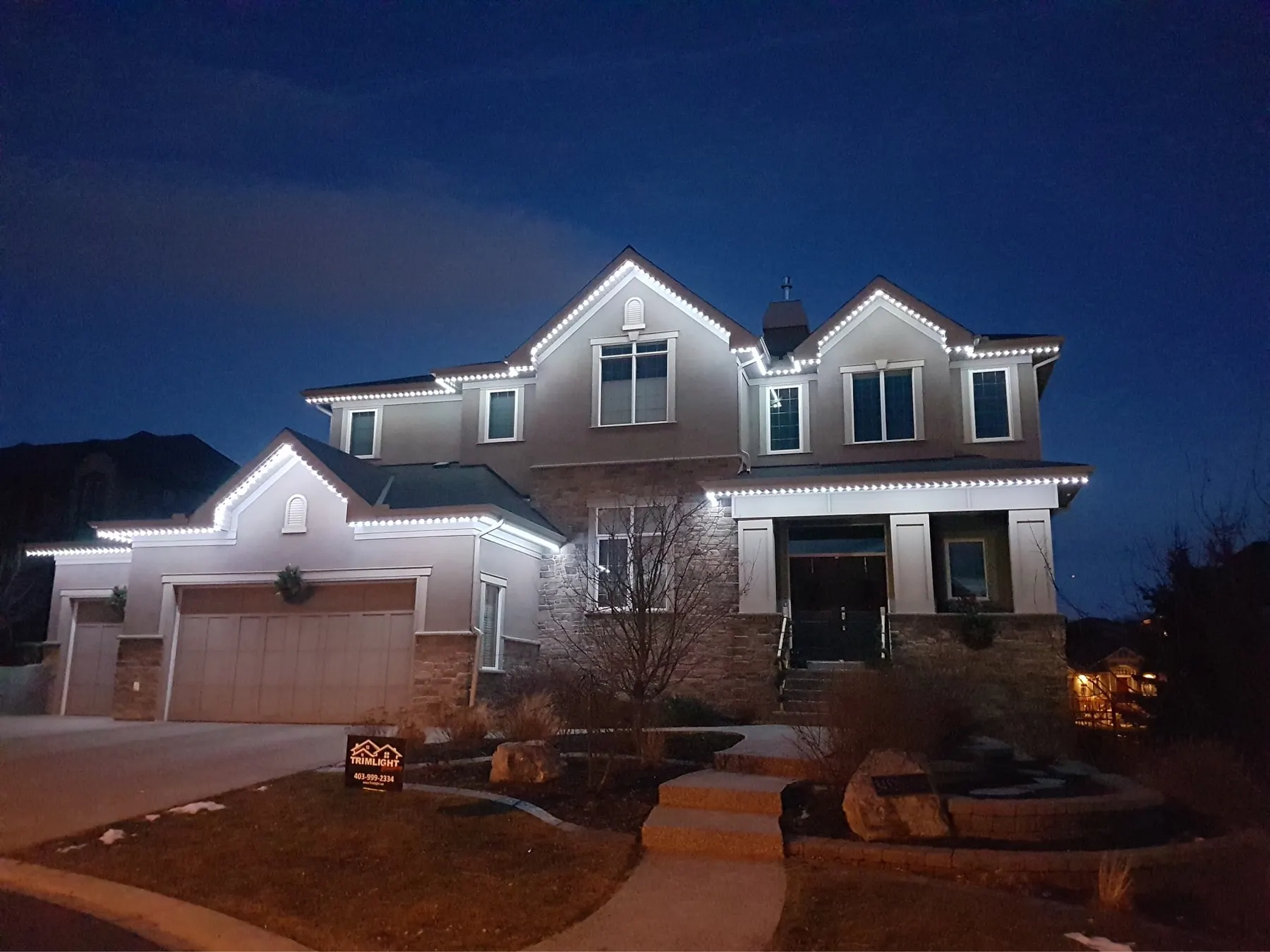
Permanent LED soffit lighting is a visible upgrade, but does it actually help when you sell? Here is an honest look at how it is likely to be perceived by buyers, agents and appraisers, and where the real value shows up.
Key takeaways
- 1Permanent lighting is best understood as a curb-appeal and lifestyle upgrade, not a line item that reliably adds a fixed dollar amount at resale.
- 2Real estate agents generally treat exterior lighting the way they treat landscaping or a freshly painted door: it helps first impressions and listing photos without being appraised as a separate asset.
- 3Appraisers work from comparable sales and standard cost approaches; a soffit lighting system is unlikely to appear as its own line on a formal appraisal, though it can support a broader "well-maintained exterior" impression.
- 4The most measurable benefit is often at the showing and listing-photo stage, where evening exterior shots and a well-lit dusk showing change how a property is perceived before a buyer ever steps inside.
- 5Insurance conversations around exterior lighting tend to focus on safety and security value (illuminated walkways, deterrence) rather than the system itself changing a premium, and homeowners should confirm specifics with their own provider.
Homeowners ask us a version of this question often: if we install permanent LED soffit lighting now, will it pay us back when we sell? It is a fair question for any exterior upgrade, and it deserves an honest answer rather than a made-up percentage. The short version is that permanent lighting behaves more like great landscaping or a well-kept exterior than like a kitchen renovation with a documented return. This guide walks through how it is actually likely to be perceived by buyers, agents, appraisers and insurers, without inventing statistics to make the case sound bigger than it is.
Why this is a curb-appeal question first
Real estate value is driven primarily by fundamentals: location, square footage, bedroom and bathroom count, lot size, condition, and comparable recent sales in the area. Exterior lighting does not change any of those fundamentals. What it changes is how the property presents, both in person and in photos, which sits inside the broader category real estate professionals call curb appeal. Curb appeal does not usually get its own appraised value, but it does influence how quickly a home draws interest and how buyers feel the moment they arrive, which is a real effect even though it is not a line item.
It is worth being direct about what this means: we are not going to claim permanent lighting adds a specific percentage to sale price, because no honest, verifiable figure exists for that claim across different markets, homes and buyers. What we can talk about is how the people involved in a sale actually tend to respond to it.
How real estate agents typically view exterior lighting
Agents tend to talk about exterior lighting in the same breath as landscaping, exterior paint, and a clean, well-maintained roofline: features that support a strong first impression rather than features buyers specifically shop for. A well-lit exterior signals that a home has been cared for, which can colour a buyer's overall impression of the rest of the property before they even walk through the door. Agents also generally appreciate a permanent system because it removes a task from the pre-listing checklist: there is no scramble to hang temporary string lights for a weekend open house, because the lighting is already built in and looks intentional every evening, not just on the day of a showing.
Where agents most consistently mention lighting is around listing photography and evening or dusk showings. A twilight photo with a warm, evenly lit roofline stands out in online listings dominated by daytime shots, and a dusk showing that highlights a well-lit exterior can create a stronger emotional response than the same house shown in flat afternoon light.
How appraisers are likely to treat it
Formal appraisals lean on standardized approaches: the sales comparison approach, which looks at similar recently sold homes, and sometimes a cost approach for specific improvements. Permanent exterior lighting is unlikely to appear as its own adjustment line in a typical residential appraisal report, in the same way that landscaping lighting, a nice deck stain job, or fresh exterior trim paint usually do not get individually itemized. Appraisers are far more focused on structural, mechanical and square-footage factors than on cosmetic lighting features.
Where it can matter indirectly is through the appraiser's general condition rating for the exterior, since a well-maintained, clearly cared-for property can support a stronger overall condition assessment compared to a home with visibly dated or neglected exterior features. That is a subtle, cumulative effect alongside things like a tidy lawn and a solid roof, not a direct dollar adjustment for the lighting itself.
Where the real, measurable benefit shows up
If you strip away the resale-value question and look at where a permanent lighting system actually earns its keep, three areas stand out clearly, and none of them require a fabricated statistic to justify.
- Daily and seasonal enjoyment: you get an exterior that looks finished every evening, year-round, without hanging or taking down seasonal lights, which is a lifestyle benefit for as long as you own the home.
- Listing and showing presentation: stronger dusk photography and evening showings, as covered above, which is a real presentation advantage even without a guaranteed price effect.
- Reduced ongoing labour: no annual ladder work to hang holiday lights, which matters to some sellers and buyers alike as a maintenance-reduction feature they can point to directly.
- Flexibility for the next owner: a WLED-controlled system that can run warm white daily and switch to holiday colours on demand is a feature a buyer can start using immediately, rather than something they have to build themselves.
Safety, security and the insurance angle
Exterior lighting has a long-standing association with home safety and security, mainly through illuminated walkways, driveways and entry points that reduce trip hazards and can make a property look occupied and monitored after dark. That association is intuitive and widely accepted, but homeowners should not assume it automatically changes an insurance premium. Insurance pricing depends heavily on the individual provider, the policy, and factors well beyond exterior lighting, such as security systems, claims history and location. If a premium adjustment matters to you, the only reliable answer comes from asking your own insurance provider directly what they do and do not factor into their pricing, rather than assuming a lighting upgrade changes anything on its own.
Permanent lighting versus other curb-appeal upgrades
It helps to compare permanent lighting to other exterior upgrades homeowners commonly consider before selling. A fresh coat of exterior paint, updated landscaping, a new front door, and permanent soffit lighting all sit in a similar category: they are visible, relatively contained projects that improve first impressions without touching the structural or mechanical systems an appraiser weighs most heavily. None of these come with a guaranteed dollar return, and all of them share the same practical logic: they make a home more appealing to look at and easier to sell quickly, which has value even when it cannot be reduced to a single statistic.
A reasonable way to think about the investment
If you are weighing a permanent lighting install primarily as a resale calculation, the fairest framing is that you are buying years of nightly curb appeal and easier showings whenever you eventually list, not a guaranteed markup on the sale price. If you are weighing it as a lifestyle upgrade you will personally enjoy for as long as you live there, with a reasonable expectation that it will not hurt resale and will likely help first impressions, that is a much easier case to make honestly.
What buyers themselves tend to notice
It is worth separating what agents and appraisers do from what an actual buyer standing on the sidewalk experiences, because those are different audiences with different reactions. A buyer touring homes in person or scrolling listing photos late in the evening is responding emotionally to a property before any analytical assessment happens. A home that glows evenly and looks cared for after dark reads as move-in ready and well maintained, in the same instinctive way a tidy front lawn or a freshly painted door does. That reaction does not show up on an appraisal sheet, but it can shape which homes a buyer remembers fondly after a long day of showings, and which ones blur together. None of this guarantees an offer, but it is a genuine, honest effect worth naming rather than dismissing simply because it cannot be reduced to a percentage.
Buyers also increasingly notice smart-home features as a category, and a WLED-controlled lighting system that can be adjusted from a phone fits that broader expectation. It is a small thing individually, but it is one more sign to a buyer that a home has been kept current rather than left untouched for decades, which again feeds the same general impression of condition and care that agents and appraisers both weigh, even if neither formally credits the lighting system by name.
What we tell homeowners who ask us directly
When a homeowner asks us this question before booking an install, we give the same answer laid out in this guide: expect permanent lighting to help with impressions, photography and daily enjoyment, and do not expect it to show up as its own line item on an appraisal or a fixed markup on your sale price. Homeowners who install it purely as a resale strategy are sometimes disappointed if they were expecting a guaranteed number back. Homeowners who install it because they want their home to look finished every evening for as long as they live there, with a reasonable side benefit at resale time, tend to be glad they did it regardless of when or whether they eventually sell.
If you are getting ready to sell
Homeowners planning to list soon sometimes ask us to time an install around photography or a target listing date, and that is a reasonable way to use the lifestyle and presentation benefits described above. Our DIY kits page (/diy-kits) has pre-planned kits by linear footage if you want to install ahead of a listing yourself, and our shop page (/shop) covers individual parts if you already have a track layout in mind. If you would rather have it installed correctly and quickly ahead of a listing date, our installation page (/installation) covers professional installs across London, Woodstock and the Kitchener-Waterloo region, and we are used to working around a homeowner's timeline when a sale is on the calendar.
Frequently asked questions
Does permanent LED soffit lighting increase home resale value?
There is no reliable, verifiable percentage or dollar figure that applies across different homes and markets, so we do not make that claim. It functions more like landscaping or exterior paint: a curb-appeal upgrade that supports a stronger first impression and better listing photos, rather than a feature with its own appraised value line.
Will an appraiser add value for permanent lighting?
It is unlikely to appear as its own line item in a formal appraisal, since appraisers rely mainly on comparable sales and structural or mechanical condition. It can contribute indirectly to an overall impression of a well-maintained exterior, similar to landscaping, but should not be expected to produce a specific dollar adjustment.
Do real estate agents recommend permanent lighting before listing?
Many agents value it for the same reason they value landscaping or exterior paint: it supports strong first impressions, removes the need to hang temporary lights for showings, and can make evening or dusk listing photos and showings noticeably more appealing.
Does permanent lighting lower my home insurance premium?
Not automatically. Exterior lighting is broadly associated with safety and security, but insurance pricing depends on the individual provider and policy. Homeowners who want a definitive answer should ask their own insurance provider directly rather than assume a change.
Is permanent lighting worth installing if I am not selling soon?
Yes, if you value the daily and seasonal benefit: a finished-looking exterior every evening, year-round colour flexibility through the WLED controller, and no annual ladder work to hang holiday lights. Those benefits exist whether or not you ever sell, which is a more honest reason to install it than a resale calculation alone.
How does permanent lighting compare to other pre-sale curb-appeal projects?
It sits in the same category as fresh exterior paint, updated landscaping, or a new front door: a visible, contained upgrade that improves first impressions without touching structural or mechanical systems, and without a guaranteed dollar return, but with a real effect on how a home is perceived.
Kit or installed
Everything in this guide ships from London, Ontario.
Complete 12V soffit track kits from $1,265, every part sold separately, and professional installation across Southwestern Ontario.
Keep reading
Costs · 8 min
How Much Do Permanent Outdoor Lights Cost in Canada?
A straight-talking 2026 breakdown of what permanent outdoor lights actually cost in Canada, whether you buy a DIY kit and install it yourself or hire a professional crew.
Guides · 9 min
Permanent Outdoor Lights in Canada: The Complete 2026 Guide
Everything Canadian homeowners need to know about permanent outdoor LED lighting in 2026 - how it works, the three quality tiers, real cost per foot, winter durability, and whether to DIY or hire a pro.
How-to · 9 min
How to Install Permanent Soffit Track Lights (Step-by-Step)
A practical, no-hype DIY guide to installing permanent LED soffit track lights on your own home, from measuring the roofline to pairing the app and saving your first scenes.